
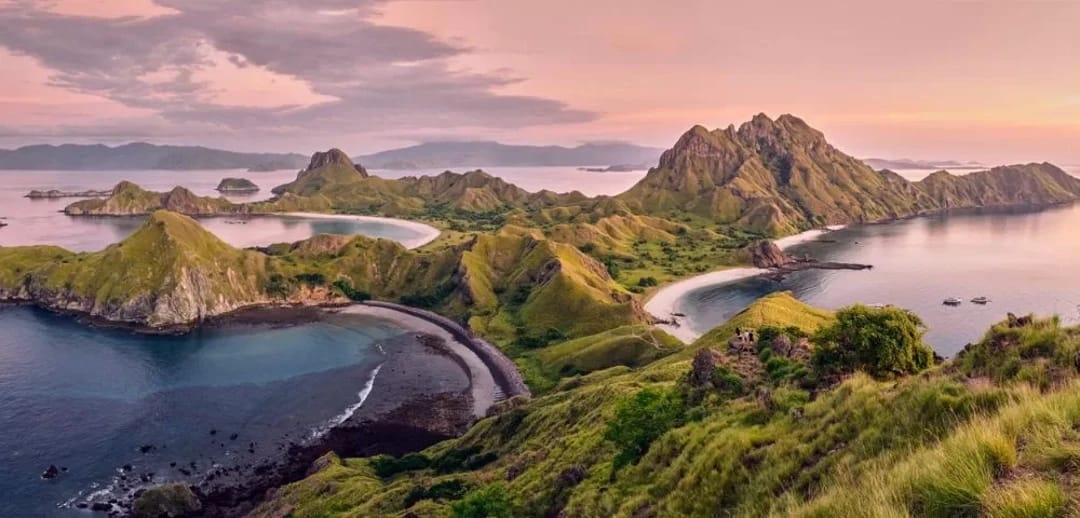
Padar Island: A Scenic Gem in Komodo National Park
Padar Island: A Scenic Gem in Komodo National Park Padar Island is one of the most beautiful islands in Indonesia and part of Komodo National Park, located in East Nusa Tenggara. Although it is close to Komodo Island, Padar Island does not have Komodo dragons. Instead, it is famous for its breathtaking landscapes and panoramic views. Location and Landscape Padar Island lies between Komodo Island and Rinca Island. The island is known for its dramatic hills, curved coastlines, and unique beaches. From the top of the island, visitors can see three crescent-shaped bays with beaches of different colors—white, black, and pink sand. This rare combination makes Padar one of the most photographed places in Indonesia. The island has dry savanna hills that turn golden during the dry season and green during the rainy season, creating different but equally stunning views throughout the year. Hiking and Tourism One of the main attractions on Padar Island is hiking to the viewpoint at the top of the hill. The hike usually takes about 30–45 minutes, depending on fitness level. Although the path can be steep and challenging, the view from the summit is worth the effort. Padar Island is a popular stop for: Boat tours around Komodo National Park Photography trips Nature exploration Snorkeling near surrounding waters The waters around Padar Island are rich in marine life, making it a great place for diving and snorkeling. Best Time to Visit The best time to visit Padar Island is during the dry season (April to October) when the weather is sunny and the sea is calm. Early morning visits are recommended to enjoy sunrise views and cooler temperatures. Conclusion Padar Island is a natural paradise known for its spectacular hills and unique beaches. Even though it does not have Komodo dragons, it remains one of the most iconic and beautiful destinations in Indonesia, attracting travelers from around the world.
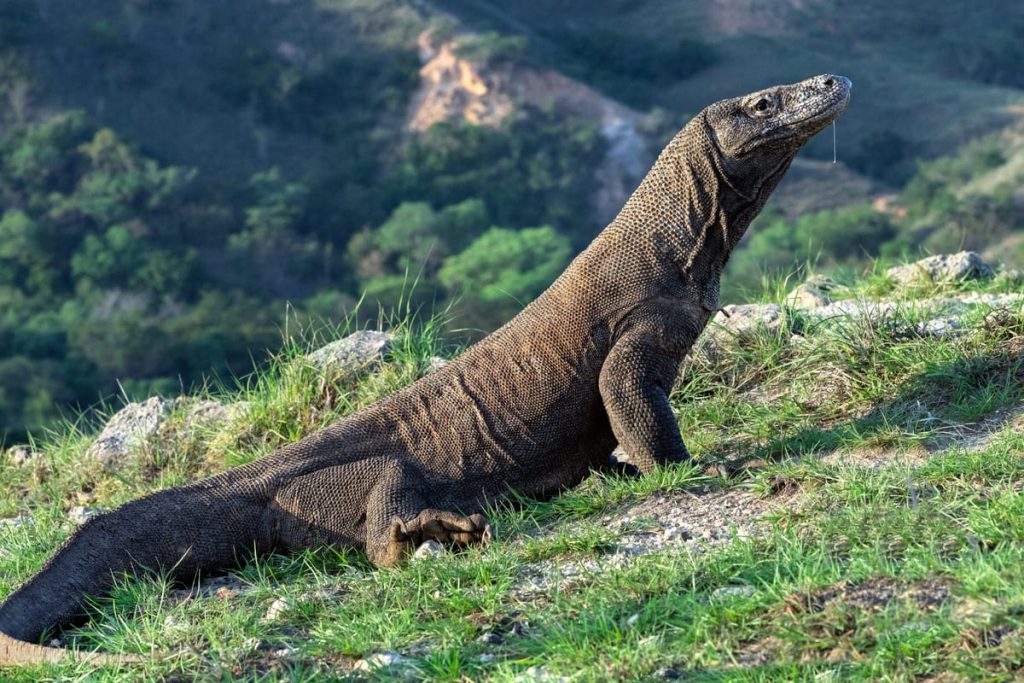
Komodo Dragon The Giant Reptile of Indonesia
Komodo Dragon: The Giant Reptile of Indonesia The Komodo dragon (Varanus komodoensis) is the largest lizard species in the world and is found only in Indonesia. This remarkable reptile is one of the country’s most famous animals because of its size, strength, and uniqueness. Komodo dragons naturally live on several islands in East Nusa Tenggara, including Komodo Island, Rinca, Flores, Gili Motang, and Padar. Physical Characteristics Komodo dragons have large, powerful bodies. They can grow up to about 3 meters (10 feet) long and weigh between 70 to 90 kilograms (150–200 pounds), sometimes even more. Their skin is thick and covered with rough scales that act like natural armor. They have strong legs, sharp claws, a long muscular tail, and curved, serrated teeth designed for tearing flesh. Habitat and Lifestyle Komodo dragons live in hot and dry environments such as savannas, open forests, and grasslands. They are mostly solitary animals, meaning they prefer to live and hunt alone. Komodo dragons are active during the day and usually rest in burrows or shaded areas when the weather becomes too hot. Diet and Hunting Method Komodo dragons are carnivores, which means they eat meat. Their main prey includes deer, wild pigs, water buffalo, birds, and sometimes smaller Komodo dragons. They also eat carrion (dead animals). They hunt by quietly approaching their prey and attacking suddenly. Their bite is extremely dangerous because it contains venom that lowers blood pressure and prevents blood clotting, causing heavy bleeding and shock. After biting, they may follow the injured animal until it becomes weak and eventually dies. Reproduction Komodo dragons reproduce by laying eggs. A female can lay around 15 to 30 eggs at one time. The eggs usually hatch after about 7 to 8 months. Interestingly, in rare cases, a female Komodo dragon can reproduce without a male through a process called parthenogenesis. Conservation Status Komodo dragons are currently classified as Endangered by the International Union for Conservation of Nature (IUCN). Their survival is threatened by climate change, habitat destruction, and human activities. To protect them, the Indonesian government established Komodo National Park as a conservation area. Conclusion The Komodo dragon is a unique and powerful reptile that plays an important role as a top predator in its ecosystem. Besides being a major tourist attraction, it is also an important part of Indonesia’s natural heritage. Protecting and conserving this extraordinary animal is essential to ensure it does not become extinct.
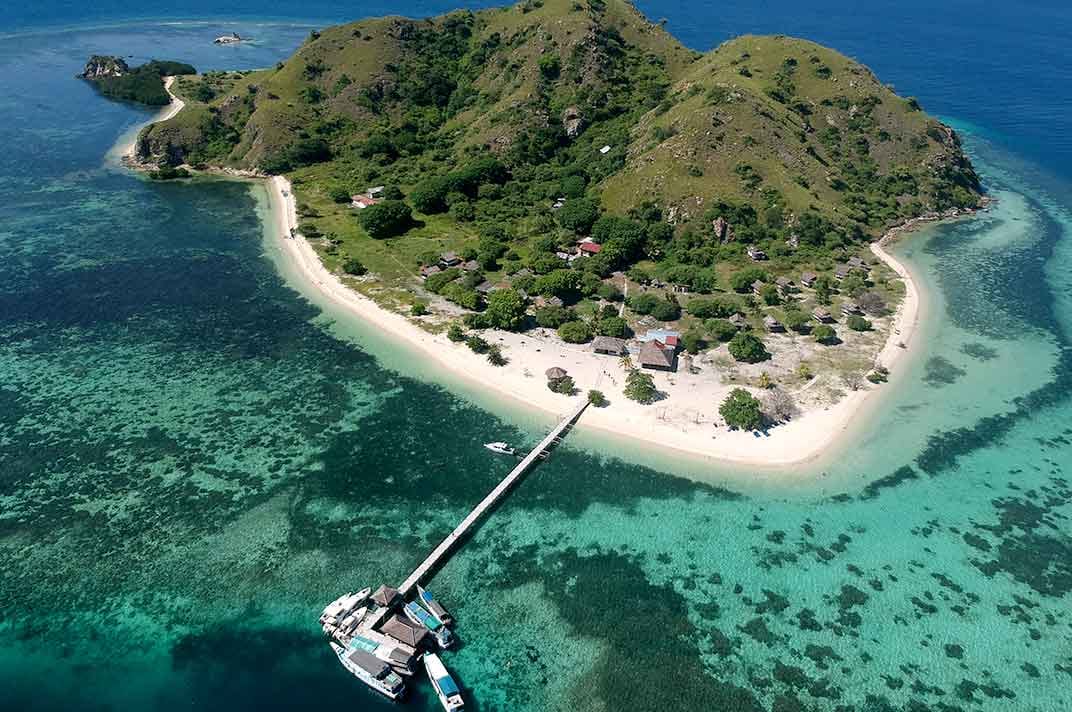
Kanawa Island: A Tropical Paradise Near Labuan Bajo
Kanawa Island: A Tropical Paradise Near Labuan Bajo Kanawa Island is a small, beautiful island located near Labuan Bajo in East Nusa Tenggara, Indonesia. It is one of the most popular destinations for tourists visiting the Komodo National Park area. Known for its clear blue waters and white sandy beaches, Kanawa Island is a perfect place for relaxation and marine activities. Location and Size Kanawa Island is about 15 kilometers from Labuan Bajo and can be reached by boat in approximately 30–45 minutes. The island is relatively small, covering around 15 hectares, and can be explored on foot in a short time. Natural Beauty The island is famous for: Crystal-clear turquoise water Soft white sand beaches Colorful coral reefs Beautiful sunset views Unlike Komodo and Rinca Islands, Kanawa Island does not have Komodo dragons. Instead, it is known for its peaceful atmosphere and stunning underwater scenery. Snorkeling and Diving Kanawa Island is an excellent spot for snorkeling and diving. The coral reefs are located very close to the shore, making it easy for visitors to see tropical fish, starfish, sea urchins, and other marine life. The water is usually calm and clear, providing great visibility. Activities Visitors to Kanawa Island can: Swim and sunbathe Snorkel and dive Hike to the small hill for panoramic views Relax and enjoy the quiet natural environment Best Time to Visit The best time to visit Kanawa Island is during the dry season (April to October), when the weather is sunny and the sea conditions are ideal for marine activities. Conclusion Kanawa Island is a small but stunning tropical destination near Labuan Bajo. With its clear waters, vibrant coral reefs, and peaceful surroundings, it is a perfect getaway for nature lovers and beach enthusiasts visiting the Komodo area.
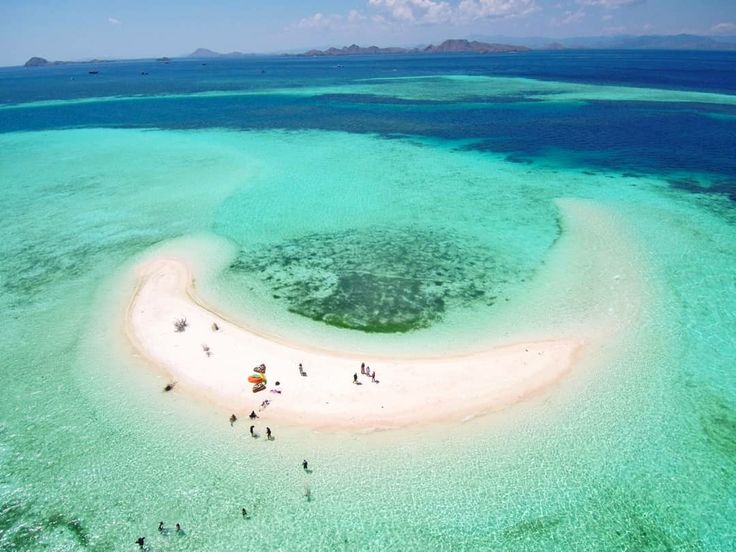
Taka Makassar Reef: A Hidden Sandbank in Komodo National Park
Taka Makassar Reef: A Hidden Sandbank in Komodo National Park Taka Makassar Reef is a small and beautiful sandbank located in Komodo National Park, near Labuan Bajo, East Nusa Tenggara, Indonesia. It is one of the most unique and photogenic spots in the area. What Makes It Special? Taka Makassar is not a typical island. It is a tiny crescent-shaped sandbank surrounded by clear turquoise water. During high tide, parts of the sandbank can disappear under the sea, making it look like a floating strip of white sand in the middle of the ocean. The name "Taka" means shallow reef in the local language, and "Makassar" refers to people from Makassar who were known as skilled sailors. Natural Beauty Taka Makassar is famous for: Soft white sand Crystal-clear shallow water Stunning aerial views Peaceful and open ocean surroundings Because the water is shallow and calm, it is perfect for swimming and relaxing. Snorkeling and Marine Life The reef around Taka Makassar is rich in marine biodiversity. Visitors often see: Colorful coral reefs Tropical fish Starfish Manta rays (especially in nearby Manta Point) Many tour boats combine Taka Makassar with a visit to Manta Point, where tourists can snorkel or dive with manta rays. Best Time to Visit The best time to visit is during the dry season (April to October) when the sea is calm and the sky is clear. Morning visits are recommended for the best lighting and fewer crowds. Conclusion Taka Makassar Reef is a small but extraordinary destination in Komodo National Park. Its unique sandbank shape and clear blue waters make it one of the most beautiful and Instagram-famous spots in the region. It is a must-visit for travelers exploring Labuan Bajo and the Komodo area.
Pink Beach: A Unique Natural Wonder in Komodo National Park
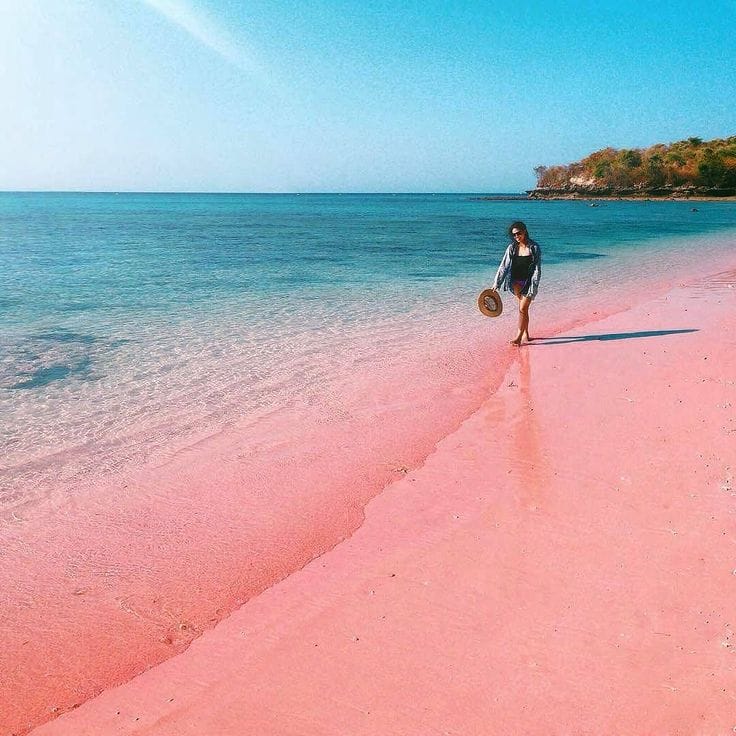
Pink Beach: A Unique Natural Wonder in Komodo National Park Pink Beach is one of the most famous attractions in Komodo National Park, East Nusa Tenggara, Indonesia. It is known for its rare pink-colored sand, making it one of only a few pink beaches in the world. Why Is the Sand Pink? The pink color comes from a mix of: White sand Tiny red fragments of coral called Foraminifera When the red coral pieces blend with the white sand, they create a soft pink color. The color looks brighter under sunlight and can appear more intense during certain times of the day. Location Pink Beach is located on: Komodo Island (the most famous one) There are also other pink beaches in the Komodo National Park area, including on Padar Island. Natural Beauty Pink Beach offers: Clear turquoise water Soft pink sand Beautiful coral reefs Green hills surrounding the beach The scenery creates a stunning contrast between pink sand, blue sea, and green hills. Activities Visitors can enjoy: Swimming Snorkeling Sunbathing Hiking small hills for panoramic views Photography The underwater life near Pink Beach is very rich, with colorful fish and healthy coral reefs, making it an excellent snorkeling spot. Best Time to Visit The best time to visit is during the dry season (April to October) when the weather is sunny and the sea is calm. Morning or late afternoon is ideal to avoid strong heat and crowds. Conclusion Pink Beach is a rare and beautiful destination that combines unique natural color with rich marine life. It is one of the highlights of Komodo National Park and a must-visit place for travelers exploring Labuan Bajo and the surrounding islands.
Kalong Island: The Island of Flying Foxes in Komodo National Park
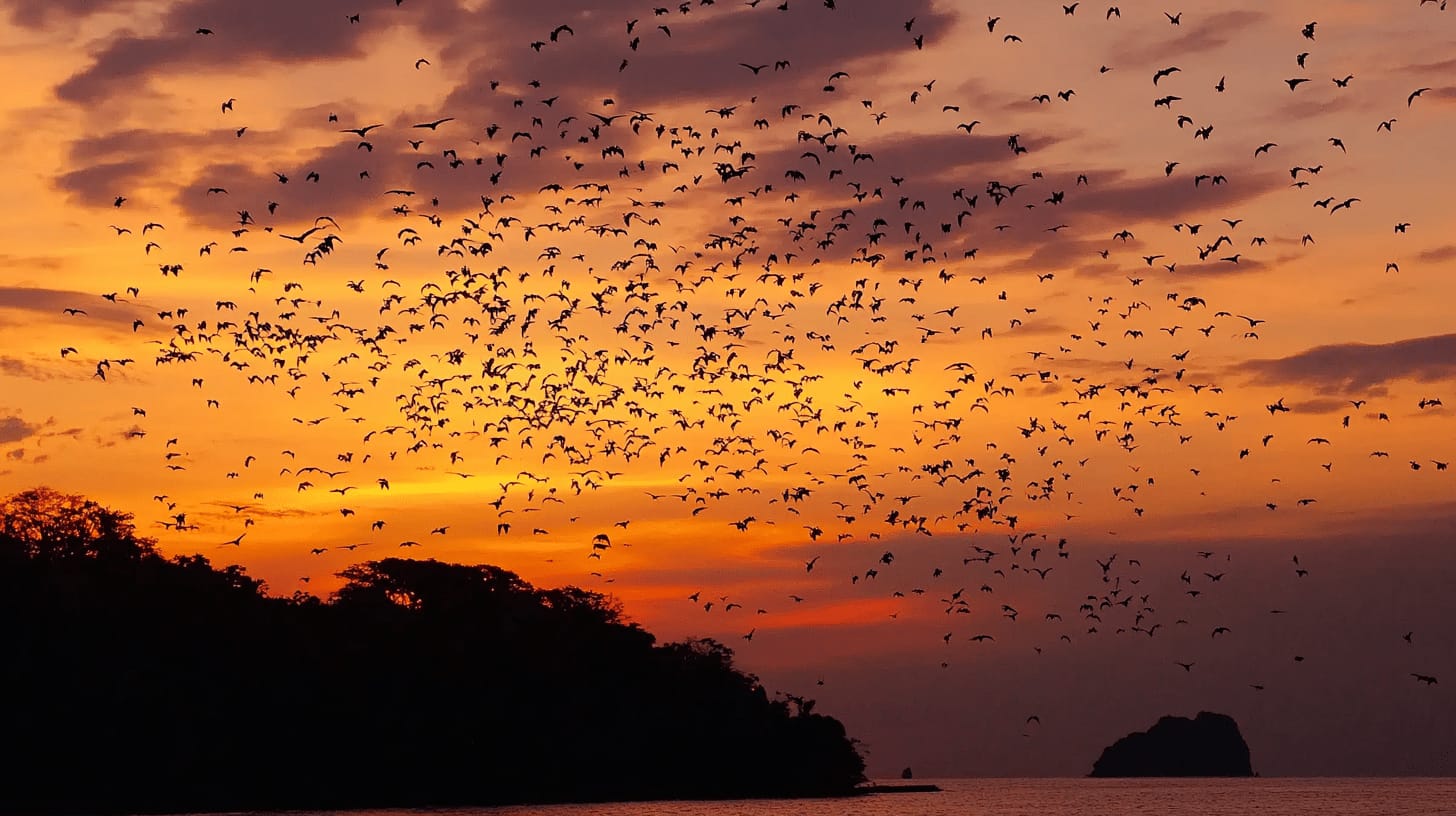
Kalong Island: The Island of Flying Foxes in Komodo National Park Kalong Island is a small island located in Komodo National Park, near Labuan Bajo, East Nusa Tenggara, Indonesia. The island is famous for its large population of giant fruit bats, also known as flying foxes. Why Is It Called Kalong Island? “Kalong” means bat in Indonesian. The island is covered with mangrove forests, which serve as a perfect resting place for thousands of flying foxes during the day. Main Attraction: The Bat Sunset The most popular activity at Kalong Island is watching the sunset bat migration. Every evening, around sunset: Thousands of bats fly out from the mangroves They form long, dark lines across the orange sky They head to nearby islands to find fruit This natural phenomenon creates a dramatic and beautiful view, especially when combined with the colorful sunset. About the Flying Foxes The bats on Kalong Island: Are large fruit-eating bats Have wide wingspans (up to about 1.5 meters) Play an important role in pollination and spreading seeds They are harmless to humans and are an important part of the local ecosystem. How to Visit Kalong Island is usually visited as part of: A Komodo boat tour A sunset cruise around the islands Visitors typically watch the bats from a boat while anchored near the island. Best Time to Visit The best time to see the bat flight is during the dry season (April to October) when the weather is clearer and sunsets are more visible. Conclusion Kalong Island offers a unique wildlife experience in Komodo National Park. Watching thousands of flying foxes soar into the sunset is a magical and unforgettable moment for travelers exploring the Labuan Bajo area.
Manta Point: The Best Place to See Manta Rays in Komodo National Park
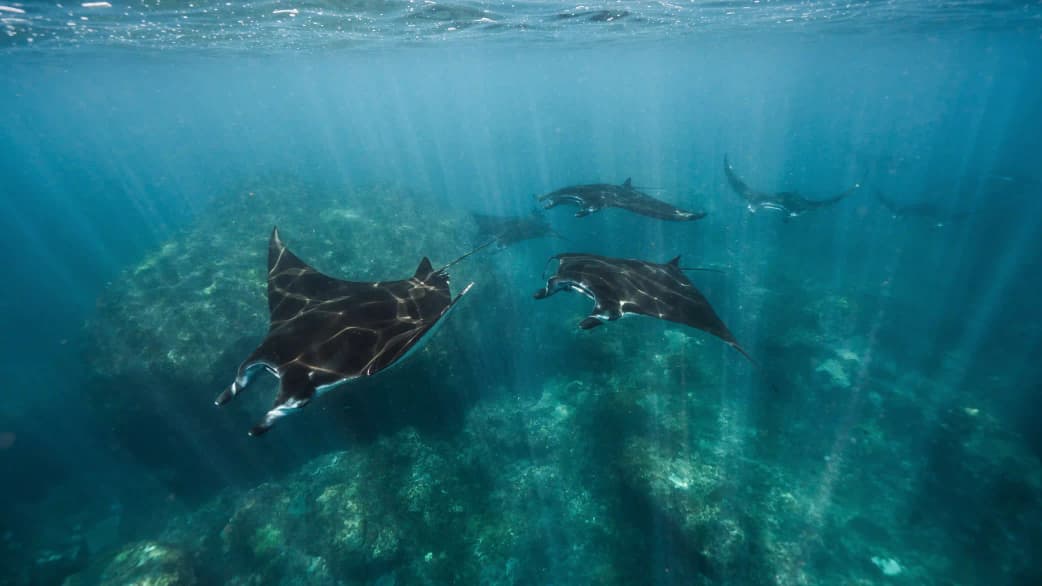
Manta Point: The Best Place to See Manta Rays in Komodo National Park Manta Point is one of the most famous diving and snorkeling spots in Komodo National Park, near Labuan Bajo, East Nusa Tenggara, Indonesia. It is well known as a gathering place for manta rays, one of the largest and most graceful marine animals in the world. Why Is It Called Manta Point? The area is called Manta Point because manta rays are often seen swimming, feeding, and cleaning themselves there. The strong ocean currents bring plankton, which is the main food source for manta rays, making this location ideal for them. About Manta Rays Manta rays: Can have a wingspan of up to 4–7 meters Are gentle and harmless to humans Feed mainly on plankton Move gracefully through the water like flying underwater Despite their large size, manta rays are calm and curious creatures. Activities at Manta Point Visitors can: Snorkel with manta rays Dive to see them up close Take underwater photos Observe their natural behavior Snorkelers often see manta rays swimming near the surface, while divers may see them at cleaning stations deeper underwater. Important Tips Always follow your guide’s instructions Do not touch or chase manta rays Keep a safe distance Be aware of strong currents Safety is important because the currents at Manta Point can sometimes be powerful. Best Time to Visit The best time to visit is during the dry season (April to October) when sea conditions are generally better. However, manta rays can be seen throughout the year. Conclusion Manta Point is one of the highlights of Komodo National Park. Swimming alongside giant manta rays in their natural habitat is a once-in-a-lifetime experience and a must-do activity for visitors to Labuan Bajo.
Labuan Bajo: The Gateway to Komodo National Park
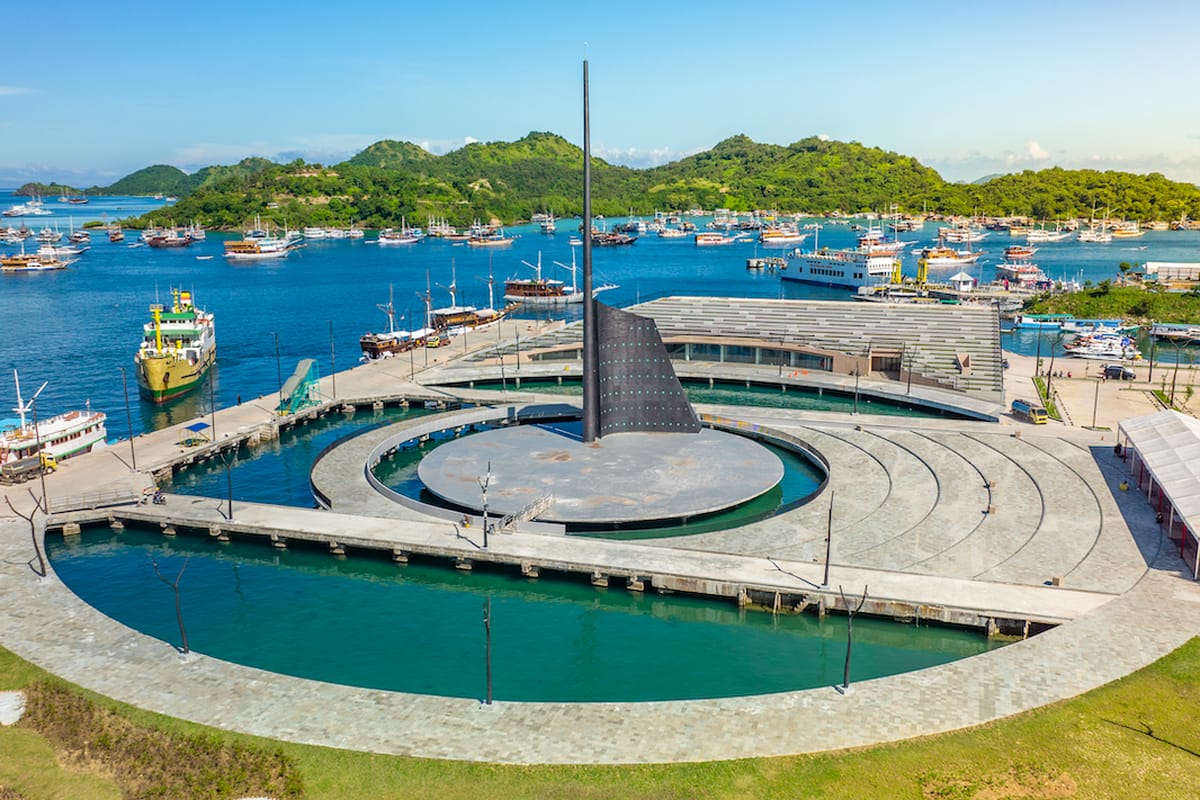
Labuan Bajo: The Gateway to Komodo National Park Labuan Bajo is a small fishing town located in West Manggarai, East Nusa Tenggara, Indonesia. Over the years, it has grown into one of Indonesia’s top tourist destinations because it is the main gateway to Komodo National Park. 📍 Location Labuan Bajo is situated on the western tip of Flores Island. It can be reached by: Domestic flights from Bali or Jakarta Sea transportation from nearby islands Komodo International Airport (KOMODO Airport) serves the area. 🌅 Why Labuan Bajo Is Famous Labuan Bajo is popular because it offers: Access to Komodo dragons Beautiful islands and beaches World-class snorkeling and diving Stunning sunsets It is often called one of Indonesia’s “super priority” tourism destinations. 🏝️ Top Attractions Near Labuan Bajo From Labuan Bajo, visitors can explore: Komodo Island & Rinca Island – to see Komodo dragons Padar Island – famous viewpoint Pink Beach – rare pink-colored sand Manta Point – swim with manta rays Taka Makassar – unique sandbank Kalong Island – sunset with flying foxes Most visitors join boat tours (one-day trip or liveaboard). 🌊 Activities in Labuan Bajo Island hopping Snorkeling and diving Hiking Sunset viewing Culinary experiences (fresh seafood) Labuan Bajo also has many hotels, resorts, and restaurants with ocean views. ☀️ Best Time to Visit The best time to visit is during the dry season (April–October) when the weather is sunny and the sea is calmer. ✨ Conclusion Labuan Bajo is a beautiful coastal town and the perfect starting point for exploring Komodo National Park. With its breathtaking scenery, rich marine life, and unique wildlife, it has become one of the most exciting travel destinations in Indonesia.